How Neuralink actually works
Neuralink: Pioneering the Future of Brain-Computer Interfaces
Since its founding in 2016 by Elon Musk, Neuralink has been at the forefront of developing cutting-edge brain-computer interface (BCI) technology. This revolutionary innovation seeks to bridge the gap between human cognition and machines, opening up possibilities once confined to the realm of science fiction. Here’s an in-depth look at Neuralink’s technology, its potential applications, and the challenges it faces.
Understanding Neuralink’s Technology
The Brain-Computer Interface (BCI)
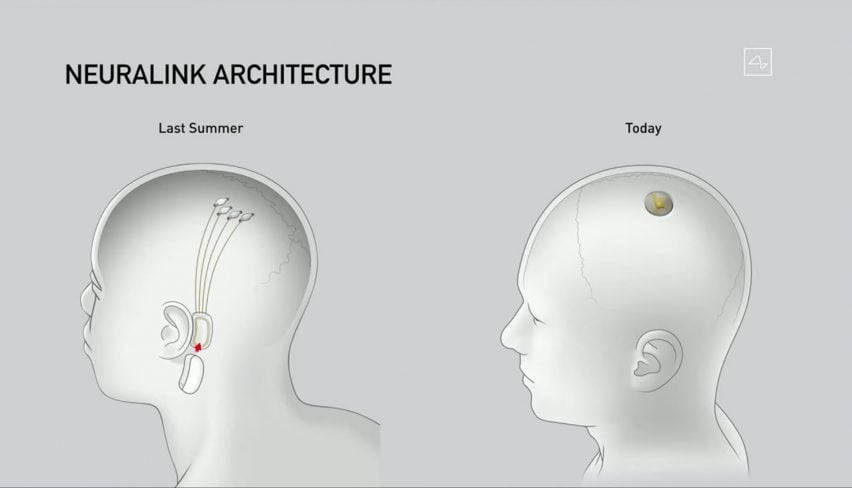
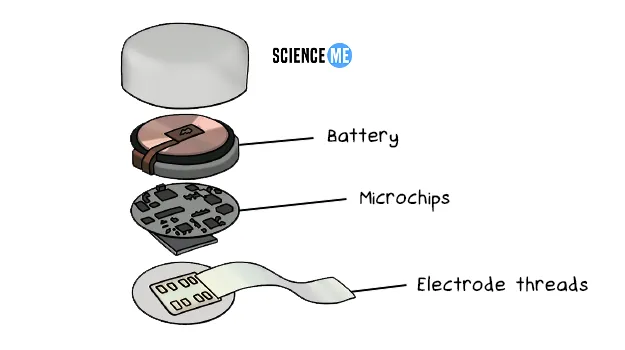
Neuralink’s core technology revolves around its BCI system, enabling seamless communication between the brain and external devices. At the heart of this system is the Link—a coin-sized chip implanted beneath the skull. This device connects to ultra-thin, flexible threads embedded in the brain, each outfitted with 1,024 electrodes. These electrodes monitor and stimulate neural activity, translating the brain’s electrical signals into actionable commands.
How Neuralink Works
Surgical Implantation
Neuralink employs a specialized robotic system for implanting the Link. The robot inserts the ultra-thin threads into the cerebral cortex with unparalleled precision, ensuring minimal damage to brain tissue. During the procedure, a small section of the skull is removed and replaced with the Link.Data Collection
Once in place, the electrodes continuously monitor brain activity by detecting the tiny electrical spikes generated when neurons communicate. This data includes both the signals associated with actions and the thoughts preceding them.Signal Processing
The Link’s custom-designed N1 chip processes this data, converting raw neural signals into digital commands. Remarkably, it can handle up to 10,000 channels of neural information simultaneously, enabling real-time interpretation of complex brain activity.Wireless Communication
Processed neural signals are transmitted wirelessly via Bluetooth to external devices like smartphones, computers, or even prosthetic limbs. This allows users to control these devices using thought alone, a leap toward seamless integration between mind and machine.
Applications and Potential
Medical Rehabilitation
One of Neuralink’s primary goals is to aid individuals with severe disabilities, such as paralysis. By using the Link, patients could regain control over prosthetic limbs, communicate through text interfaces, or operate devices without physical movement.
Cognitive Enhancement
Neuralink’s potential extends beyond rehabilitation. The technology could offer cognitive enhancements, allowing users to improve memory, focus, or learning ability through real-time biofeedback and interaction with digital systems.
Future Innovations
Neuralink envisions applications in augmented reality (AR) and virtual reality (VR), creating immersive environments controlled directly by thought. These advancements could redefine how we engage with technology, from gaming to professional simulations.
Challenges and Ethical Considerations
While Neuralink’s technology is groundbreaking, it comes with significant challenges:
Safety and Efficacy
The surgical implantation process carries inherent risks. Long-term safety studies are critical to ensuring the reliability and non-invasiveness of the device over time.Data Privacy
The ability to interface directly with human cognition raises pressing concerns about data security. Protecting sensitive neural data from misuse or breaches is paramount to gaining public trust.Regulatory Approval
Neuralink must navigate stringent regulatory landscapes to bring its innovations to market. Gaining approval for clinical trials and consumer applications will require rigorous testing and compliance.
A Revolutionary Future
Neuralink represents a monumental step forward in neurotechnology, merging the human mind with machines in ways previously unimaginable. From empowering individuals with disabilities to enhancing human potential and reshaping digital interaction, the possibilities are vast.
As research and development progress, Neuralink’s technology holds the potential to redefine communication, interaction, and the very nature of human-machine relationships. While challenges remain, the promise of this innovation is nothing short of transformative.
What excites you most about Neuralink’s vision? Do the potential benefits outweigh the ethical concerns? Share your thoughts below!


Комментарии
Отправить комментарий